
Catch pop-up monologues in 3rd Floor Galleries at 6 PM & 6:40 PM.
Don’t miss Expand the Canon scenes in the Great Hall at 7:15 PM.
Learn more about…
🌟 Expand the Canon —> Learn More! 🌟
✨ Gallery Performance #1 —> Go there! ✨
✨ Gallery Performance #2 —> Go there! ✨
✨ Gallery Performance #3 —> Go there! ✨
✨ Gallery Performance #4 —> Go there! ✨
✨ Great Hall Performances —> Go there! ✨
💓 Why do we dig Clare Booth Luce? —> Find out! 💓
🌟 Why does ETC <3 Sarah Bernhardt? —> Find out! 🌟
Expand the Canon
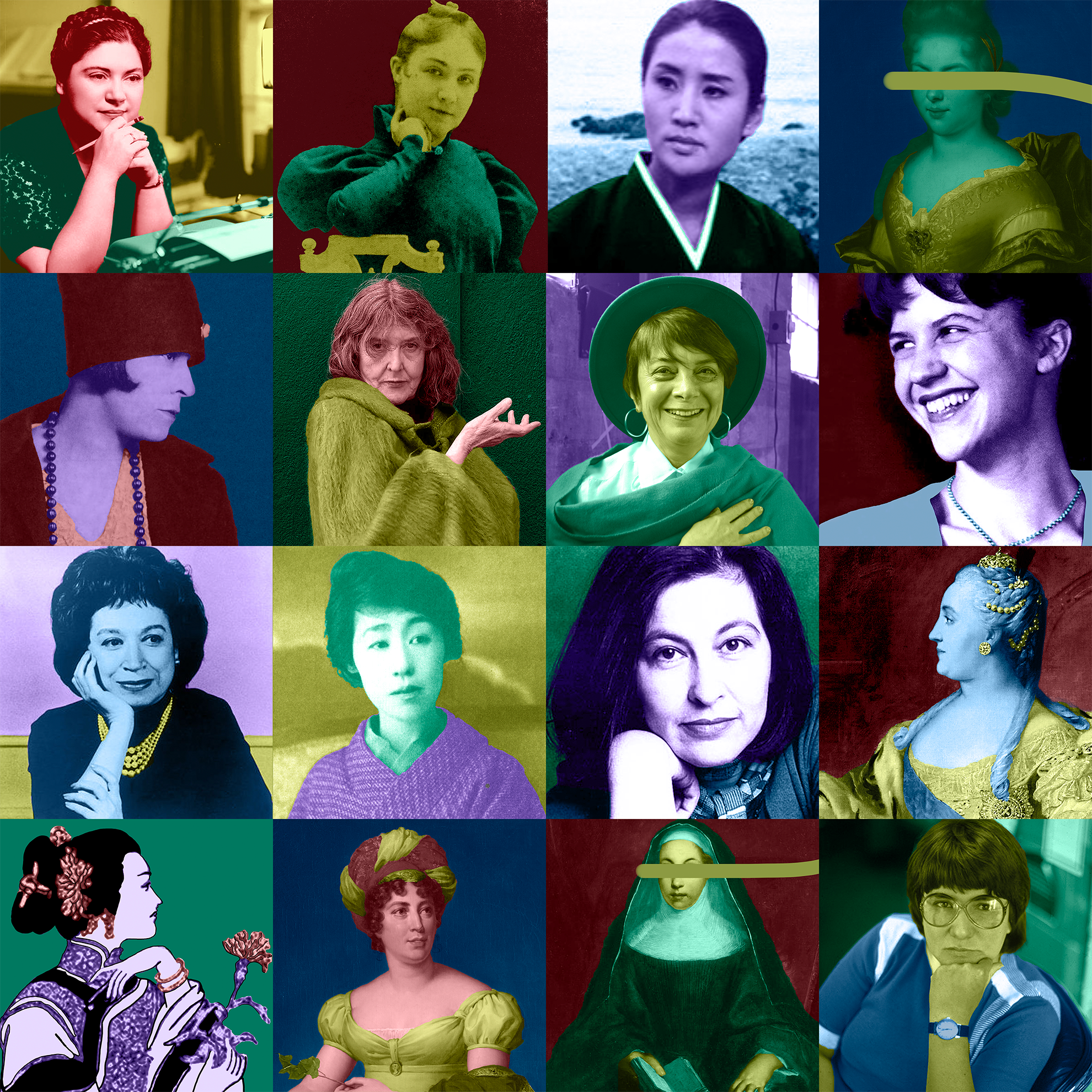
Expand the Canon (ETC) is a research and advocacy organization, demanding that gender-equity be expected wherever we tell stories. Women have always been writing; and we advocate for these women’s plays be on stages that present classics, in classrooms where classics are taught, and read in libraries across the country. We introduce theatrical institutions to these forgotten works and push for their inclusion in their seasons. How do we do all of this? Through research - our team gathers the names of any historic women who wrote plays and then we set out to find them. We’ve poked through libraries and used book stores from New Orleans to San Francisco, London to Oxford, and Washington DC to Washington state. A small but mighty committee of researchers is always on the ground, skimming every shelf of bookstores, local public libraries, and online databases to unearth every historical stone we can. Those ongoing efforts have produced a database of over 10,000 titles by women and gender-expansive writers through history. This kind of grassroots and detailed research is unlikely to be reproduced, so our curated collection of classics is available for the public to view with a subscription model to access and read the full plays.
-

The Know
We write cool emails to tell you more about these amazing dead ladies. Join us below!
-

The Swag
Dead lady tote bag? Sticker? T-shirt? Onesie? We got ‘em here.
-
The deets
Want to know it all and have full access to our research and texts? Become a subscriber here.
-

That glow
We can keep the dead ladies coming if you can help out with a donation.
Gallery Performance #1
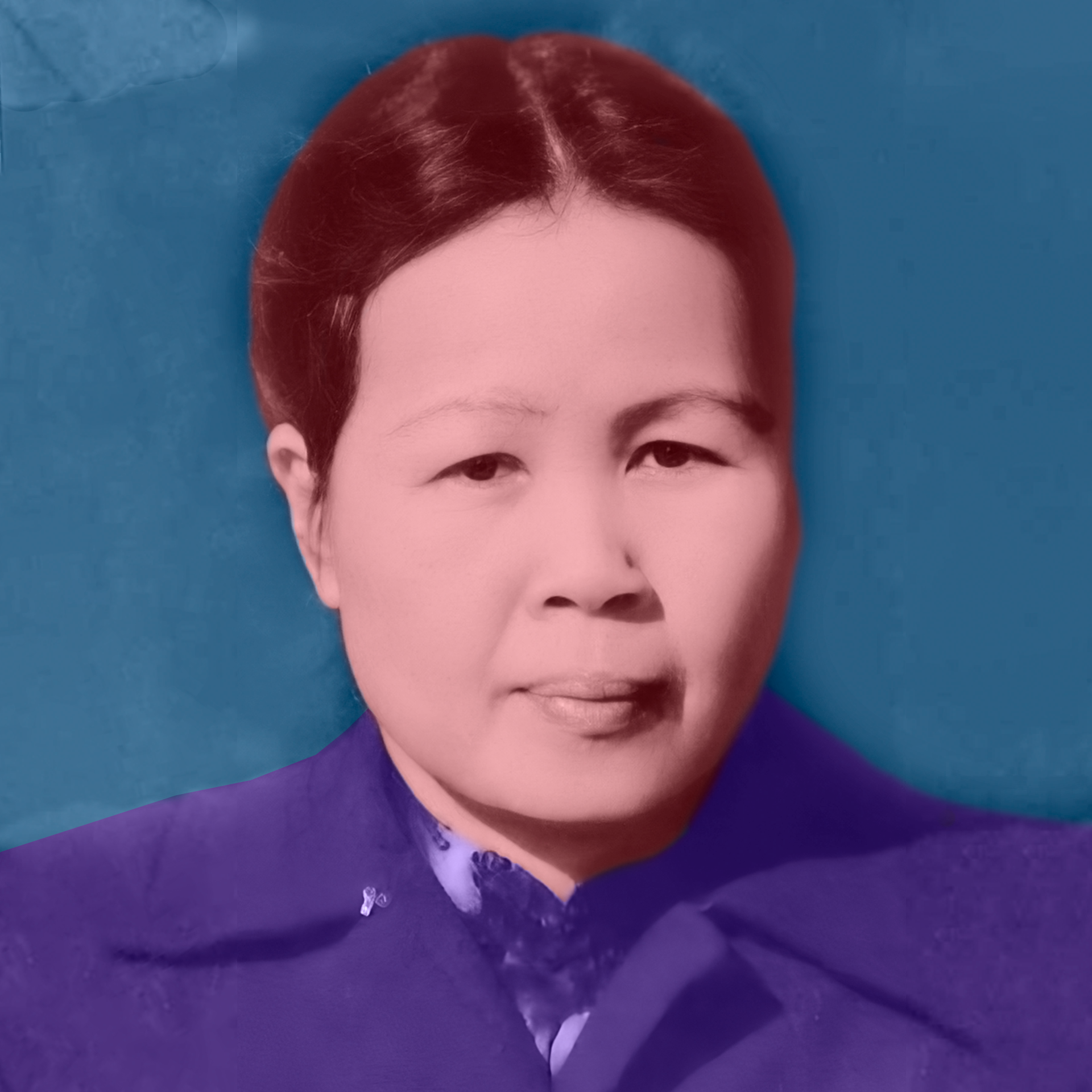
Monologue from Heaven Challenges by Li Man-kuei (1943)
Performed by Charlotte Kim
What’s happening?
Taking place in West China during the Sino-Japanese War, Heaven Challenges centers around Shih Kun-Yi, a housewife who had given up her love of painting to serve her husband and now seeks to rediscover her love for herself and her art. In this scene, Liao examines a painting by Madam Shih and remarks upon the influences of Western painting in her work.
Who was Li Man-kuei?
李曼瑰 (1907-1975) was a trailblazing politician, educator, and dramatist, who has been described as “the mother of modern Chinese drama.” After studying in China, she became a Hopwood Award-winning writer at the University of Michigan, winning the award the year before Arthur Miller. She worked at the Library of Congress and Columbia University before returning to China in 1940. A member of the Kuomintang, she was elected in 1948 to the parliament of the government it established in China. Like many Kuomintang supporters, she relocated to Taiwan, and there leveraged her political influence to reinvigorate local theatre. Li organized drama festivals, introduced Western performing arts styles via the Little Theatre Movement that she established in 1960, and led two universities’ drama departments. She wrote about 30 plays in English and Chinese.
Gallery Performance #2
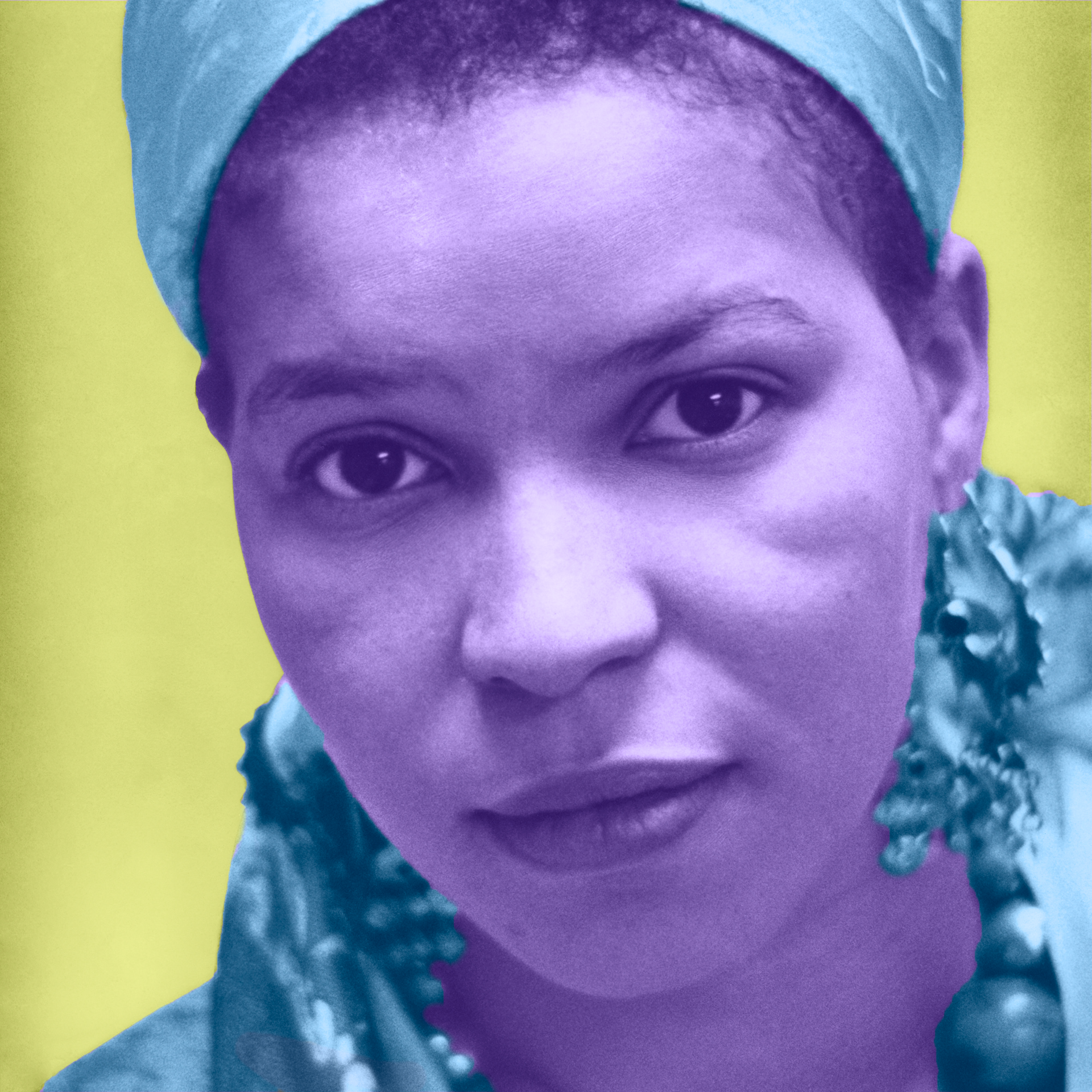
Monologue from Spell #7 by Ntozake Shange (1979)
Performed by Chloe Lomax
What’s happening?
Set in the late 70s in St. Louis, Missouri, this play welcomes us into a world not too far from our own, forcing us to reckon with the realities of the “isms” in creative spaces. The play takes us through the lives of 9 characters who are fighting to discover themselves as artists in a society that sees them as one dimensional after-thoughts. Here, Maxine expresses her frustrations about the plight of Black Americans.
Who was Ntozake Shange?
Ntozake Shange (1948-2018) moved to St. Louis, MO, soon after the Brown v. Board ruling, and her experience as the first Black student in her class heavily influenced her work. Equally influential were her supportive parents: to support their daughters’ artistic education, they befriended the likes of Dizzy Gillespie, Chuck Berry, Charlie Parker, Miles Davis, and Josephine Baker. Shange taught Humanities, Women’s Studies, and Afro-American Studies at California colleges. Her most famous work, For Colored Girls Who Have Considered Suicide/When the Rainbow is Enuf, brought her fame during its two years on Broadway, and was adapted into a feature film.
Gallery Performance #3
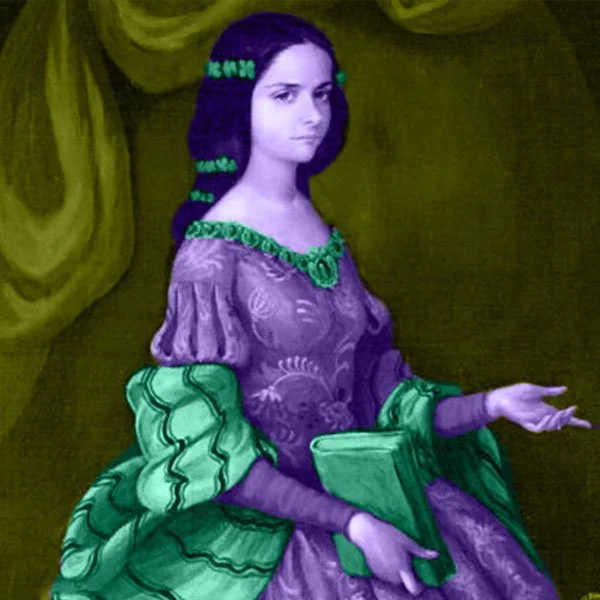
Monologue from Los Empeños de Una Casa (House of Desires) by Sor Juana Inés de la Cruz (1683)
Performed by Ignacio Garcia-Bustelo
What’s happening?
Carlos & Leonor love each other, and had planned to run away together. Carlos has just seen Leonor with Pedro, however, and begins to doubt her fidelity… which isn’t in line with his usual trusting and chivalrous self.
Who was Sor Juana Inés de la Cruz?
Sor Juana (1648-1695) was born in Mexico to a Spanish father and Mexican mother. She later sequestered herself in a convent, the only way for a woman to pursue her thirst for knowledge and gain instruction in the arts. During that time, she used her works to comment on the socio-politico-economic landscape of Mexico in the 17th century and condemn the sexism of the church.
Gallery Performance #4
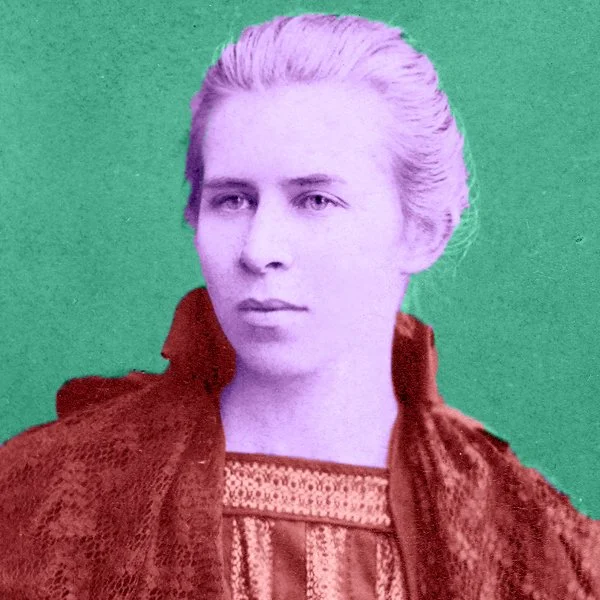
Monologue from The Stone Host by Lesya Ukrainka (1912)
Performed by Janine Baumgardner
What’s happening?
In the aftermath of a dinner party for her late husband where Donna Anna has promised allegiance to Don Juan (his killer), Don Juan has tried to convince Anna to flee Spain with him so that they may be free of society. However, Anna sees a greater value in the power to be gained in the Castillian court.
Who was Lesya Ukrainka?
Born Larysa Petrivna Kosach (1871-1913), shewas a Ukrainian writer, translator, and activist. During her childhood, her mother submitted Ukrainka’s work to literary journals under the pseudonym ‘Lesya Ukrainka’ (meaning approximately ‘Ukrainian Woman’) to protect her identity in the wake of suppression of the Ukrainian language under Russification. Ukrainka was a devoted Marxist and remained politically opposed to Russian tsarism for her entire career. Her revolutionary activities and controversial publications led to her arrest in 1907, and she remained under tsarist watch for the remaining six years of her life. She died in 1913, leaving behind an impressive portfolio of work and a legacy of activism that cemented her as one of the most significant literary figures in modern Ukrainian history. She is featured on the 200 hryvnia banknote.
The Scenes
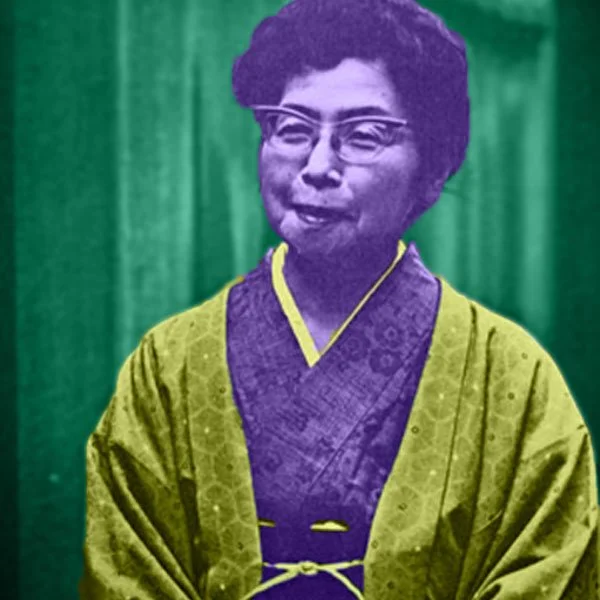
Scene 1
Restless Night in Late Spring by Fumiko Enchi
Performed by Janine Baumgardner & Charlotte Kim
What’s happening?
Two college students debate the virtues of creating art or abandoning it all to become a political activist - both coming close to understanding each other, though not seeing eye to eye.
Who was Fumiko Enchi?
Fumiko Enchi (1905-1986) is a celebrated Japanese writer. Despite suffering from multiple serious health conditions, Enchi was a prolific writer. She won multiple literary prizes for her novels and wrote around 20 plays – though very few of her works have been translated into English (yet!).
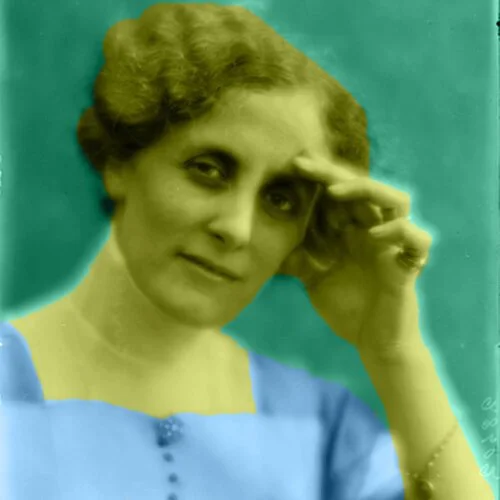
Scene 2
Anima (Her Soul) by Amelia P. Rosselli
Performed by Chloe Lomax & Ignacio Garcia-Bustelo
What’s happening?
Olga, is a successful painter, a wit, and, it turns out, a victim of sexual assault. Revelations of her past subvert her romantic future. Will she end up with a kind man who values her soul rather than her body?
Who was Amelia P. Rosselli?
Amelia Pincherle Rosselli (1870-1954) was born in Venice to a prominent Jewish family and later lived in Florence where she was active in promoting social justice and women’s causes. She gave up writing after her sons, Carlo and Nello, founders of the antifascist movement Justice and Liberty, were assassinated in 1937 on Mussolini’s orders. She left Italy, lived in the USA, but ultimately returned to Florence.
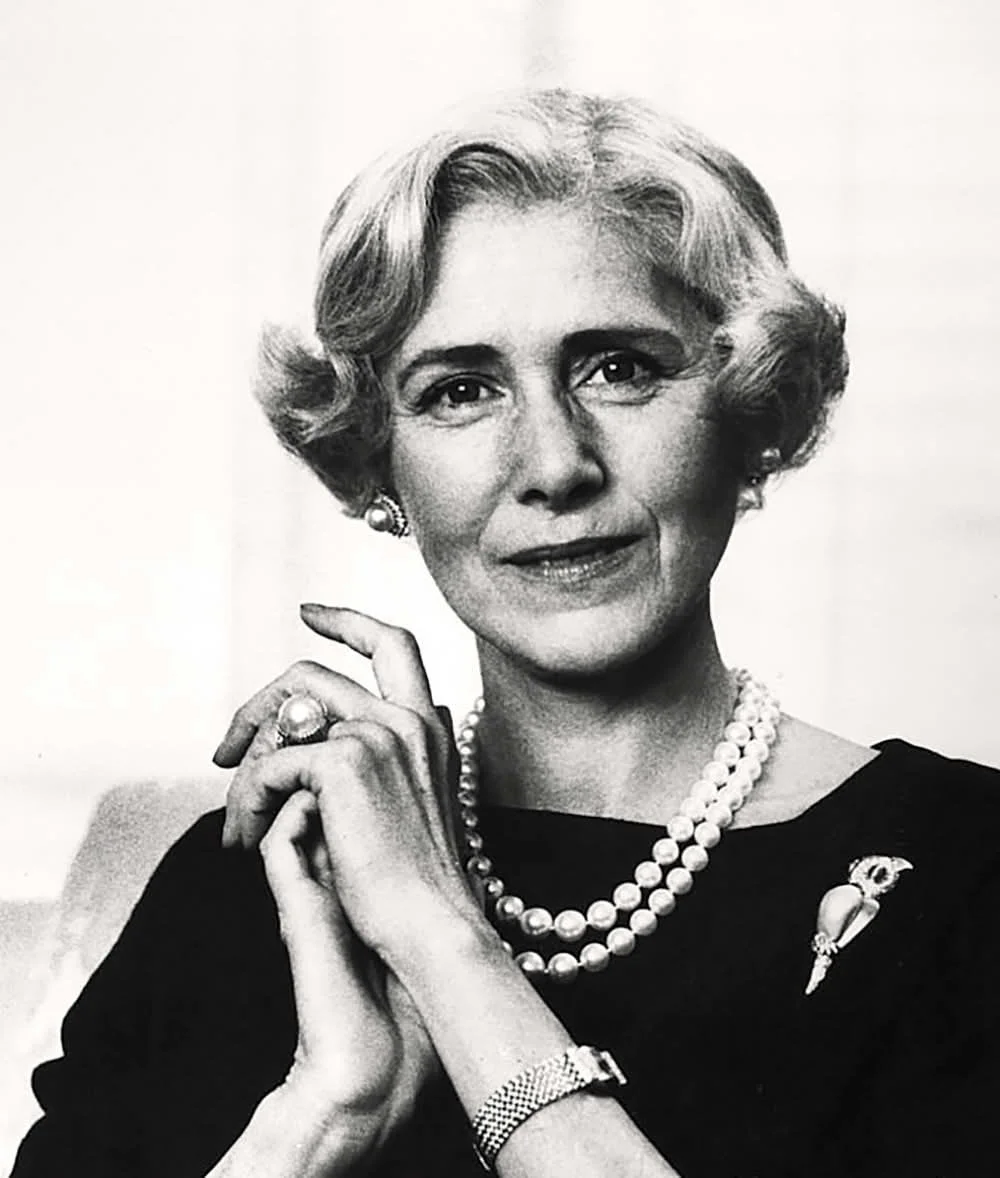
Why do we dig Clare Boothe Luce?
She’s a PLAYWRIGHT!
Not only is she recognized here as the donor of the incredible Frida Kahlo self portrait housed at the National Museum of Women in the Arts, but she also wrote hilarious (and important) plays!
Clare Boothe Luce (1903-1987) penned four known plays and contributed her writing to Vogue and Vanity Fair. Her hit play The Women (1936) featured an all-female cast and was shortly after adapted as a successful film. As war approached, Luce’s writing shifted focus to international affairs. She subsequently became active in politics, serving as a three-term Representative to Congress and later as an ambassador during the Eisenhower administration.
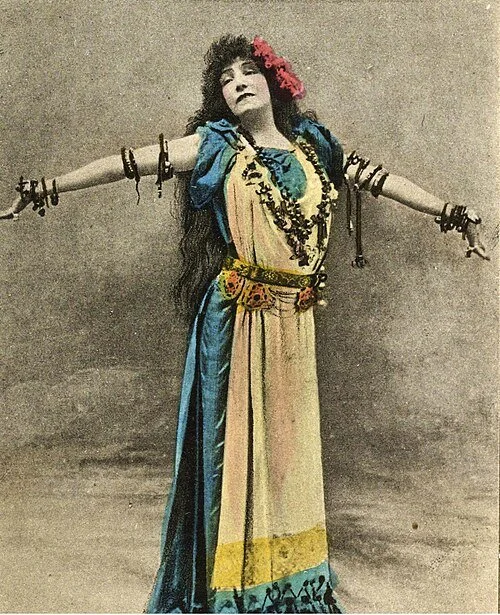
Expand the Canon <3s Sarah Bernhardt!
Sarah Bernhardt (1844-1923) sparked a phenomenon throughout her 60-year career as stage actress, hailed across Europe as “the Divine Sarah.” Bernhardt established herself performing with the Comédie-Française in the 1870s and soon gained international acclaim for her wide performance range and commanding stage presence. For much of her career she managed her own touring company and took an active role in the design and direction of the productions. Bernhardt included several male roles in her repertoire, and is one of the first women known to have played Hamlet. Although not a playwright herself, she penned a novel, a memoir, and a treatise on acting. Bernhardt was also a passionate and prolific sculptor, whose work you can see right here at The National Museum of Women in the Arts!